Get rid of Rats and Mice – Rat Removal and Prevention Service
Animal Control Management provides same-day rat removal services throughout Volusia County. We remove rats from attics, walls, restaurants, condominiums, senior living facilities, and commercial properties. Our technicians identify entry points, remove active infestations, and help prevent rats from returning.
What are the obvious signs that I have a rat infestation?
You probably have a rat infestation if you see any of these signs in your home or attic.
- Scratching noises in attic
- Noises inside walls
- Droppings
- Grease marks
- Chewed wires
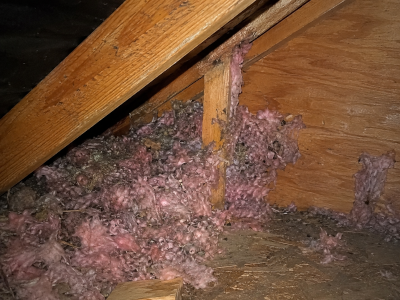
- Damaged insulation
- Nesting materials
- Pet food disappearing
Rats are most active at night when the house is quiet and they feel safe. They are in a constant search for food. If they are hungry you may see them at dusk or eve just before dawn.
Getting rid of rats and mice seems like it should be easy. You can try rat traps and poison. But rat poison can be harmful to your family and pets. And traps are only a temporary solution. It’s important to understand that the rats found a way to get into your home. Plus, there may be more than 1 rat including babies.
Roof Rats are common in central Florida
So, the two critical steps to permanent removal of rats or mice are trap all of the rats, including babies, and to find the entry point and seal it off. Florida ACM offers a complete service to remove nuisance rats and to keep them out by sealing off their entry points.
Rats can be a serious problem in Central Florida. Homes around marsh land and water tend to have the highest percentages of rat infestations. And in Central Florida, with its vast amount of creeks and ponds, most homes have some exposure to water.
Most homeowners don’t realize how smart rats are in finding a way into your home. One of the most common types of rats in Florida are Roof Rats. They’re also known as the black rat or, if you live close to water, a ship rat. Roof rats are excellent climbers, and they will build their nest in elevated places. Roof rats especially like palm trees, and attics They gain access by climbing along utility lines to get access to your roof where they can enter through holes in soffits, roof vents and gable vents.
Why do mice and rats like to live in attics?

Rats love to move in to attics because they are warm, offer great shelter, and usually, give them easy access to your food. An attic is the perfect spot to build a nest and have rat babies. If you have a pet, your dog or cat food is a wonderful opportunity for rats to enjoy a meal.
Mice and rats are typically indicated by noises being heard at night and scratching in your attic. The noises are similar to squirrels. But, mice leave small droppings, and dig longer tunnels in insulation. We can do an inspection of your attic and know right away if you have mice.
Besides the general creepiness of having a rat in your attic, they also create some dangerous problems. Rats will build nests from the insulation in your attic and even eat the insulation if they’re hungry enough. If they are in your walls, then they will chew on the insulation of the electrical wiring to keep their teeth filed down. Electrical wiring malfunctions is one of the leading causes of house fires and account for 19 percent of all fire deaths.
But, like any wild animal, rats in your attic will contaminate your home with urine and droppings creating a major health hazard. Rat droppings contain multiple diseases that can be spread to humans including hantavirus, leptospirosis, rat bite fever, and even bubonic plague. Rats can carry external parasites such as fleas, flies, maggots, ticks, and mites. Viruses, such as Hepatitis E, are not uncommon.
Florida ACM offers effective removal, exclusion, and decontamination services to eliminate your rat problem in Port Orange, New Smyrna Beach, and Daytona Beach.

While most homeowners will not come in contact with rats in their home, it’s for sure that the food stored in the family pantry will. How do you know if you have rats in your house? Mostly, rats will be heard at night above the ceiling and sometimes in the walls. Rats will chew wires and water lines, risking fire and flood damage. They will eat and drink from pet bowls spreading diseases to the family pet. Rats will urinate and defecate on kitchen counters and food prep areas. An average litter is 6-12, gestation is 22-24 days and new rats reach reproductive maturity at about 3 months.
Rat Removal Services for Condominiums, Senior Living Facilities and Restaurants
River Rats love the shared attic spaces of condominiums, multi-unit dwellings, and senior living facilities. Once rats get into the building, they travel up and down through the elevator shafts, garbage chutes, drain pipes, and electrical runs. Their most popular hangout is close to the kitchen and dumpster area where food is plentiful.
Florida ACM technicians have lots of experience in capturing and removing rats from multi-story buildings along the ocean in Daytona Beach Shores, New Smyrna Beach and Daytona Beach. And, we know how to keep them out.

Rat infestations in condos and senior living buildings in Florida create the same safety concerns described for homes but on a much larger scale. You literally have to move floor to floor to trap the rats and then keep them from returning to the floors already cleared. We’re experienced in the specialized work needed for rat removal from high-rise buildings through Volusia County and central Florida.
How to get rid of rats
Rat Traps
They don’t cost much but they need to be used properly to catch a rat. You need to decide on bait. Some species like peanut butter while others like smelly cheese. And be patient, because rats are suspicious of new objects in their environment. It may take several days before they take your bait. And, don’t be surprised if the sneaky rat has taken the bait without snapping the trap.
Rat Poison
The primary reason why we don’t recommend rat poison is that a rat can take the poisoned bait off a trap and then die in another part of your house. You especially have to be careful if you have pets or children. If a rat drags the poisoned bait across the floor it can be harmful.
Why you shouldn’t use poison to try to kill rats or mice
Poison manufacturers claim the animal will leave to search for water. In reality, if there was not a water source in or near the home, the rat would not be living there. A rat removal can exist longer without water than a camel and they can obtain enough moisture from condensation on air conditioning lines to survive. Instead of leaving your home in search of water, a rat will usually burrow under insulation to protect itself from predators. That rat will die in the attic, under the insulation, creating an awful odor as it decomposes. Poisoned rats die inside homes, and someone will have to locate and remove the carcass.
And, poisoning one rat still doesn’t solve the real problem. Entry points and scent markings remain after the rat has been poisoned. The smell of the decaying rat will attract scavengers to the home as well. The home needs to be animal-proofed and treated to eliminate scent markings and odors. Another reason we don’t use poison is called secondary poisoning. On occasion, a rat that has ingested poison will venture outdoors where predatory animals can easily catch and eat the toxic rat. An owl, hawk, snake, or even the family dog or cat can become ill or even die from eating a poisoned rat. And remember, this still does not solve the problem with animals getting into a home or get rid of all the rats.
How to keep rats out of your home
If you have rats in your house or attic then they got in somehow. You’ll need to find out where they got in. Some climb palm trees, branches and bushes or walk across the electrical wires to get into your attic. Others get in through crawlspaces and climb vent pipes or plumbing to get to the attic. You’ll need to check your fascia, crawlspaces, A/C entry holes, and eaves and look for any holes larger than a dime.
Rodent Exclusion Services
Perhaps the most important service we provide is our ability to prevent rats and mice from returning to your home or business. We accomplish this by making structural repairs or additions to remove the opportunity for animals to enter a building. In cases where animals have already taken up residence, our biological clean-up process will eliminate the scent markings animals use to communicate, thus removing any attraction for future animals to find ways to enter a contaminated space. Rodents conjure up negative associations for most people. Even the sight of a common house mouse scurrying across a floor when the lights are turned on suddenly can cause feelings of revulsion in residents.
The fear many people feel about sharing a house with a nest of rodents has some validity. Historically, more human diseases have originated with rodents than with any other mammal. Rats and mice prefer the same foods humans eat. They contaminate the home with urine and droppings in kitchens and elsewhere and may even present a fire hazard as they gnaw into electrical wiring inside walls. Pest control specialists report that the South Florida mouse and rat population is generally divided into three species:
Types of Rats and Mice Found in Florida Homes
HOUSE MOUSE
House mice are the most common. While they originate outdoors in yards and bushes, mice frequently take up residence inside homes in wall voids, basements and attics mouse proofing your home is the best start to getting these rodents out of your life, followed by a rat removal plan to rid your home of mice. A single house mouse can produce up to 35 young mice in a year. House mice can be so secretive and inconspicuous that the only evidence of infestation may be the appearance of mouse droppings in the home.
ROOF RAT
Roof rats, also known as palm rats, brown rats, black rats, ship rats or house rats, are the leading rodent in Florida. They are climbers and prefer to nest off the ground in trees like palms, which is how they got their common name. Fruit is one of their main food sources. Notwithstanding their name, these rats don’t restrict themselves to the roof but also inhabit attics and wall spaces and cause a quick infestation. Roof rats may grow to over a foot long and tend to be vegetarians, but will eat anything that’s readily available. One female can produce 20 offspring in a year.
NORWAY RAT
Norway rats generally reside outdoors but may make a habit of venturing inside your home in search of food. They are a burrowing species and may dig their way under your foundation or into your crawl space often requiring ultrasonic rat control. Norway rats are an aggressive variety and will usually drive other species of rats out of a structure. Poisons, known as rodenticides, to control rodents are dangerous and exposure to occupants, children and pets especially, is always ill advised. Florida ACM never uses any type of poison.